
September Garden & Lawn Care on the North Shore: Getting Ready for What's Coming
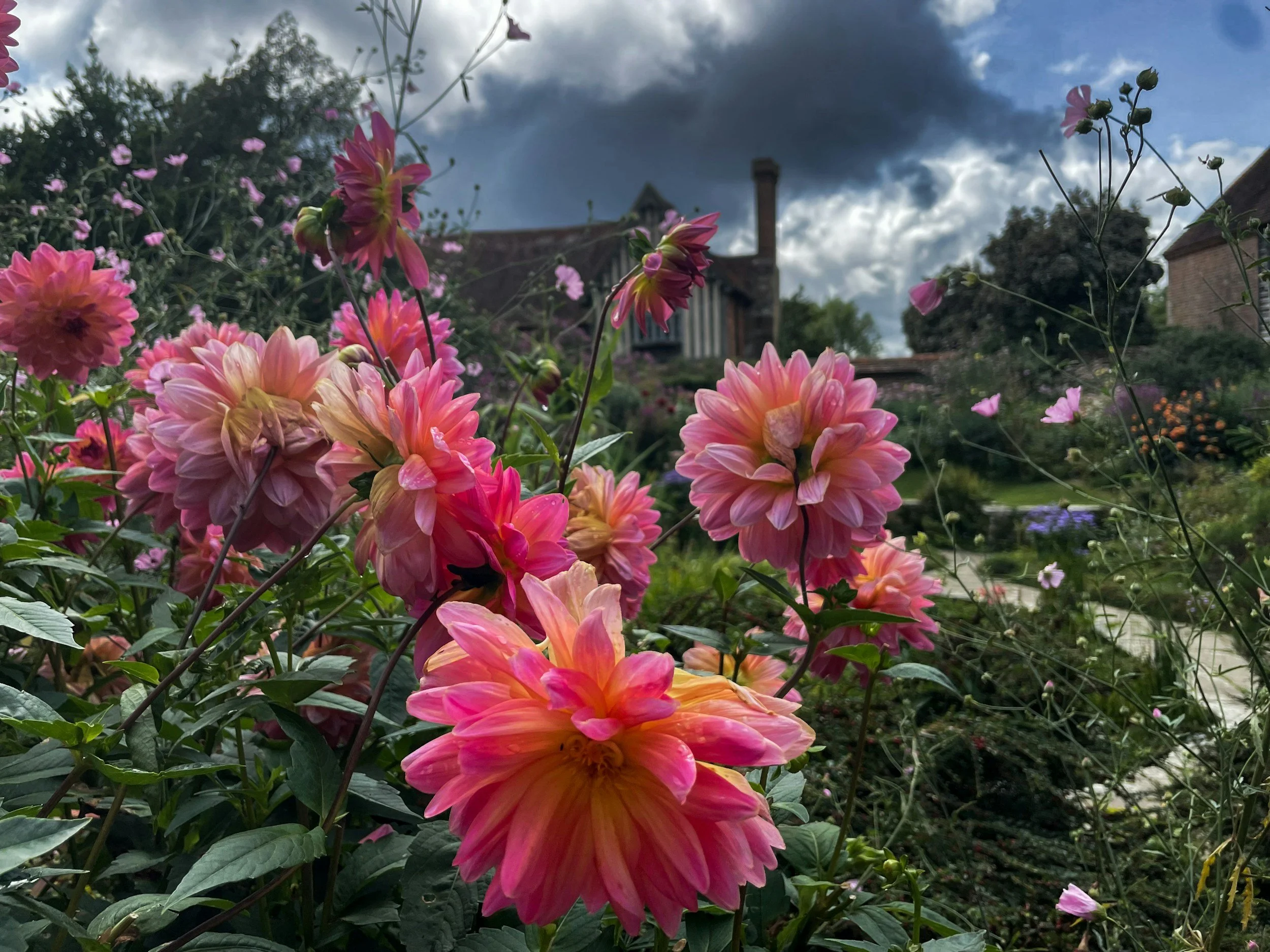
September along the coastal stretches of New England north of Boston — from Gloucester and Rockport down through Ipswich, Newburyport, and the towns of the North Shore — is one of the most deceptive months in the gardening calendar. The days are still warm. The hydrangeas are still blooming. It feels like summer hasn't quite left yet.
But the ground knows otherwise.
Soil temperatures are dropping. Days are shortening fast. And the salt air that defines life along this coastline is beginning to pick up with the first storms of early fall. For homeowners here, September isn't a month to coast — it's one of the most important months of the entire year to get your garden and lawn in order. What you do now determines how your property looks come May.
Here's what to focus on.
Lawn Care: September Is Your Secret Weapon
If there's one thing coastal New England gardeners consistently underestimate, it's the value of fall lawn care. Many homeowners mow less, water less, and generally tune out their grass in September. That's a mistake.
Aerate and overseed now. September is the single best month to aerate your lawn and overseed thin or bare patches. Soil temperatures are still warm enough to support germination — typically staying above 50°F into October along the coast — but the cooler air means new grass seedlings won't be stressed by heat. Rain tends to increase as fall sets in, reducing the need for supplemental watering.
For coastal lawns, choose grass seed varieties that tolerate salt spray and sandy, fast-draining soils. Fine fescues and turf-type tall fescues perform well in these conditions. Avoid ryegrass-heavy mixes if your yard faces exposure to sea winds.
Apply fall fertilizer. A slow-release nitrogen fertilizer applied in mid-to-late September feeds your lawn's root system through the fall without pushing excessive top growth. This root development is what gives your lawn the reserves it needs to green up quickly and densely the following spring.
Adjust your mowing height. Begin lowering your mower blade gradually through September — not all at once — to prepare for the "final cut" of the season. Leaving grass too long over winter invites snow mold, a fungal problem that's particularly prevalent in the damp, coastal climate north of Boston.
Garden Beds: Edit, Don't Abandon
September is the time to make intentional decisions about your garden beds — not to simply let them go until spring.
Cut back selectively, not completely. Leave ornamental grasses, rudbeckia, coneflowers, and seed-bearing perennials standing through fall. They provide food for migrating and overwintering birds, and their structure adds beauty to the garden long after color fades. What you should cut back are diseased foliage, spent annuals, and any plants that are known to harbor pests over winter.
Divide overcrowded perennials. Early September, before the ground hardens, is ideal for dividing hostas, daylilies, black-eyed Susans, and ornamental grasses. Dividing now gives plants six or more weeks to establish roots before hard frost arrives — typically late October on the immediate coast, earlier inland. This is also a great way to expand beds or share plants with neighbors.
Plant spring bulbs. Tulips, daffodils, alliums, and hyacinths need to be planted in the ground by mid-October, so September is the time to plan and purchase. Along the coast, choose squirrel-resistant bulbs like daffodils and alliums, which tend to be ignored by local wildlife. Plant in well-drained spots — coastal soils often drain quickly, which bulbs appreciate, but avoid low areas where water pools after rain.
Coastal-Specific Concerns in September
The North Shore's proximity to the ocean creates conditions you won't find ten miles inland, and your September garden routine needs to account for them.
Salt spray management. September often brings the first nor'easters and early coastal storms. After any significant weather event, rinse your garden beds and lawn with fresh water to dilute salt deposits. Salt spray on foliage causes tip burn and can weaken plants heading into winter dormancy. Coastal gardeners who develop the habit of rinsing after storms consistently have healthier plants come spring.
Sandy soil amendment. Many properties north of Boston sit on sandy, low-organic-matter soils left by glacial activity. September is an excellent time to top-dress garden beds with compost — two to three inches worked lightly into the surface. This improves moisture retention and adds nutrients without disturbing root systems preparing for dormancy.
Watch for rust and mildew. The cool nights and still-humid days of September create perfect conditions for powdery mildew on phlox, bee balm, and roses, and rust on hollyhocks. Remove affected foliage promptly and do not compost it. Improving air circulation around susceptible plants now — through light pruning — reduces the problem in future seasons.
Trees and Shrubs: Don't Plant, Do Protect
September is generally not the best month to plant trees and shrubs along the immediate coast. The salt exposure, wind, and accelerated soil temperature swings give newly planted specimens very little time to establish before winter stress sets in. If you're planning new plantings, wait until spring or plan for mid-October in more protected locations.
What September is good for is protecting what you already have.
Wrap vulnerable shrubs. Young broadleaf evergreens like rhododendrons, mountain laurel, and boxwood benefit from burlap wrapping or a wind screen in exposed coastal locations. Begin assessing which plants struggled last winter and plan to protect them. Burlap should go up in late October, but purchasing and staging supplies in September means you won't scramble later.
Deep water before the rains. If September has been dry — which it increasingly is across coastal New England — give trees and shrubs a thorough, deep watering before the ground hardens. Plants enter winter in better condition when they are well-hydrated. This is especially true for evergreens, which continue losing moisture through their foliage all winter long.
The Bigger Picture
September on the North Shore is beautiful. The light changes, the crowds thin out, and the garden takes on a different kind of richness. It's easy to just enjoy it and let the month slip by without doing much.
But the homeowners whose properties look best in spring are almost always the ones who stayed engaged in September. The lawn seeding, the bed preparation, the bulb planting — none of it is dramatic work, but all of it pays dividends when the ground thaws and the growing season begins again.
Need help getting your property ready for fall? Pinebrook Landscaping serves homeowners across the North Shore and coastal communities north of Boston. We know these soils, these winds, and these microclimates — and we know what works here.