
October Garden & Lawn Care on the North Shore: Closing Strong Before Winter
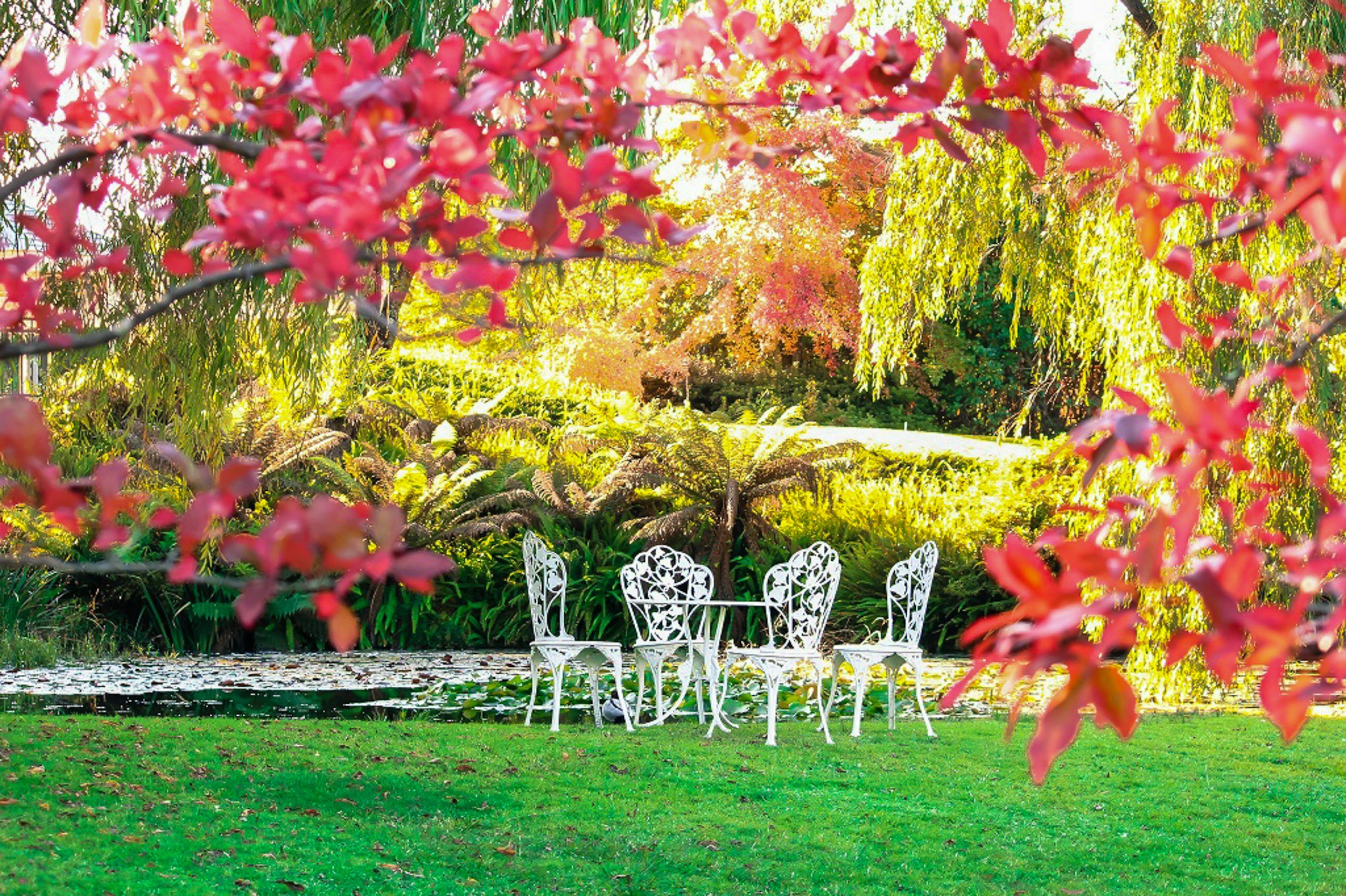
October arrives on the coastal communities north of Boston with a kind of urgency that gardeners and homeowners learn to respect. The maples flame red along Route 1A. The harbor smells different — sharper, colder. The first hard frost is no longer a distant possibility; it is a matter of weeks.
On the immediate coast — from Nahant up through Marblehead, Manchester-by-the-Sea, Rockport, and Newburyport — frost dates tend to run a bit later than they do inland, sometimes as late as mid-to-late October. But "a bit later" is not the same as "safe to procrastinate." The combination of rapidly shortening days, increasing wind exposure, and the specific demands of coastal soils means that October is genuinely the last productive month of the garden year.
What you get done in October determines how much recovery work waits for you in April. Here is how to make the most of it.
The Lawn: Final Care of the Season
By October, your lawn's top growth is slowing, but the roots are still very much alive and active. This is actually when grass roots grow most vigorously — absorbing nutrients, storing energy, and preparing for the long dormant period ahead.
Complete any remaining overseeding early. If you didn't get to lawn aeration and overseeding in September, the first two weeks of October are your last realistic window. Soil temperatures along the coast typically remain above 50°F through mid-October, which is the minimum threshold for grass seed germination. After that, newly seeded areas won't establish before winter.
Apply a winterizer fertilizer. A potassium-rich, low-nitrogen winterizer fertilizer applied in mid-October strengthens grass cell walls and improves cold hardiness. This is different from the September fertilization and serves a distinct purpose: it's about resilience, not growth. Think of it as fortifying your lawn for what's coming.
The final mow. Aim to make your last cut of the season when grass has essentially stopped growing — usually late October along the coast. Bring the height down to about 2 to 2.5 inches. This discourages the matting and snow mold that plague lawns left too long going into winter, while still leaving enough blade to protect the crown of the grass plants from freeze-thaw cycles.
Leaf management is lawn management. A thick layer of leaves left on the lawn through November can smother grass and create conditions for fungal disease. Mulch-mow leaves as they fall — a mulching mower blade chops them finely enough that they decompose into the turf without smothering it. For heavy leaf loads, especially under oak trees common throughout the North Shore, rake and compost or use for mulch in garden beds.
Garden Beds: The Real Work of October
October is when garden cleanup needs to happen in earnest, but it's also when some of the most important planting of the year takes place. It's a month of both ending and beginning.
Finish planting spring bulbs. If you haven't planted your tulips, daffodils, hyacinths, and alliums yet, do it now — early October at the latest. Bulbs need several weeks of cold to initiate the process that allows them to bloom in spring. In the sandy, fast-draining soils common along the coast, bulbs generally do well as long as you aren't planting in low-lying areas that pool water. Mix a slow-release bulb fertilizer into the hole at planting time.
Dig and store tender bulbs and tubers. Dahlias, cannas, gladiolas, and elephant ears will not survive a North Shore winter in the ground. After the first frost blackens their foliage, dig them up, allow them to dry for a few days in a sheltered spot, and store them in a cool, dry, frost-free location — a basement or unheated garage that stays above freezing works well. Label everything now, before you forget what was what.
Cut back and clean up selectively. The goal is not a bare, raked-clean garden — that approach removes habitat for beneficial insects and actually increases erosion on the sloped, sandy coastal properties common in this region. Instead, cut back plants that are known to harbor disease (especially anything that showed mildew or fungal issues this season). Leave ornamental grasses, coneflowers, black-eyed Susans, and seed heads standing. They're working: providing overwintering habitat for native bees and food for goldfinches and other birds through the winter.
Mulch after the ground has cooled. One of the most common mistakes coastal New England gardeners make is mulching too early in fall. Mulch applied before the ground has cooled significantly can actually insulate warmth and delay the dormancy process your plants need to harden off properly. Wait until late October — after a few nights in the 30s — then apply a 2 to 3 inch layer of shredded bark or wood chip mulch around perennials, shrubs, and tree bases. This moderates freeze-thaw cycles through the winter and protects root systems from the extreme cold that can follow January thaws.
Trees and Shrubs: Protecting Coastal Plants Through Winter
Trees and shrubs in coastal environments north of Boston face a distinctive set of winter stressors: salt spray from storms, desiccating northwest winds, and the dramatic freeze-thaw cycles that mid-winter warm spells — increasingly common with recent climate patterns — bring to the ground.
Wrap broadleaf evergreens. Rhododendrons, azaleas, mountain laurel, and boxwood in exposed locations lose significant moisture through their leaves during winter, even when the ground is frozen and roots can't replace it. This "winter burn" is one of the most common problems we see on North Shore properties every spring. Burlap screens staked around vulnerable shrubs — not wrapped tightly, but creating a wind and spray buffer — reduce moisture loss dramatically.
Anti-desiccant sprays. An anti-desiccant spray applied to broadleaf evergreens in late October creates a thin protective film on leaf surfaces that reduces moisture loss. It's a good supplement to, not substitute for, physical protection on very exposed plants.
Protect young trees from frost heave. Newly planted trees — anything installed in the last year or two — are vulnerable to frost heave in the silty, sandy coastal soils that shift significantly through freeze-thaw cycles. Maintain a wide ring of mulch (three feet in diameter, keeping it away from the trunk itself) to moderate soil temperature and reduce heaving.
Do not prune. October is not the time to prune trees and shrubs. Pruning stimulates new growth, which will be killed by frost. It also opens wounds that heal slowly over winter, creating entry points for disease. Save pruning for late winter, just before bud break in March.
The Vegetable and Herb Garden
Most coastal gardeners have wound down their vegetable gardens by October, but a few things deserve attention before fully closing up.
Cold-hardy crops can go longer than you think. Kale, arugula, spinach, and Swiss chard tolerate hard frost and can produce well into November along the immediate coast. A simple row cover or low tunnel adds several more weeks of harvesting. Carrots actually taste sweeter after frost, so don't rush to pull them.
Clean up thoroughly. Unlike ornamental beds, vegetable gardens benefit from a thorough fall cleanup. Tomato, squash, and cucumber plants often harbor fungal disease and pest eggs that overwinter in plant debris. Pull spent plants, remove stakes and cages, and compost only healthy material. Till or turn the soil lightly if you didn't this spring — it exposes overwintering pests to birds and freezing temperatures.
Amend the soil for next season. October is the ideal time to add compost, aged manure, or other amendments to your vegetable beds. Working them in now allows them to break down and integrate through the winter, leaving you with rich, ready soil when it's time to plant in May.
October Is a Gift, Not a Deadline
It's tempting to see October as a month of endings — the last mow, the last harvest, the last nice weekend to be outside before New England makes you pay for loving it. But experienced gardeners along this coastline know that October well spent is one of the best investments you can make in your property.
The bulbs you plant in October are the tulips that stop you in your tracks in April. The lawn you fertilize and finalize in October is the lawn that greens up thick and fast while your neighbors are still patching bare spots. The mulch you lay down in October is the insulation that brings your perennials through January without a scratch.
The coast has its own rhythms. October is when the serious gardeners here lean in — one last time before winter takes over.
Pinebrook Landscaping helps homeowners across the North Shore close out the season the right way, from final lawn treatments and bulb planting to winterization of shrubs and garden beds. We know what these coastal properties need — and what they don't.