
June Landscaping & Lawn Care Tips for New England Homeowners
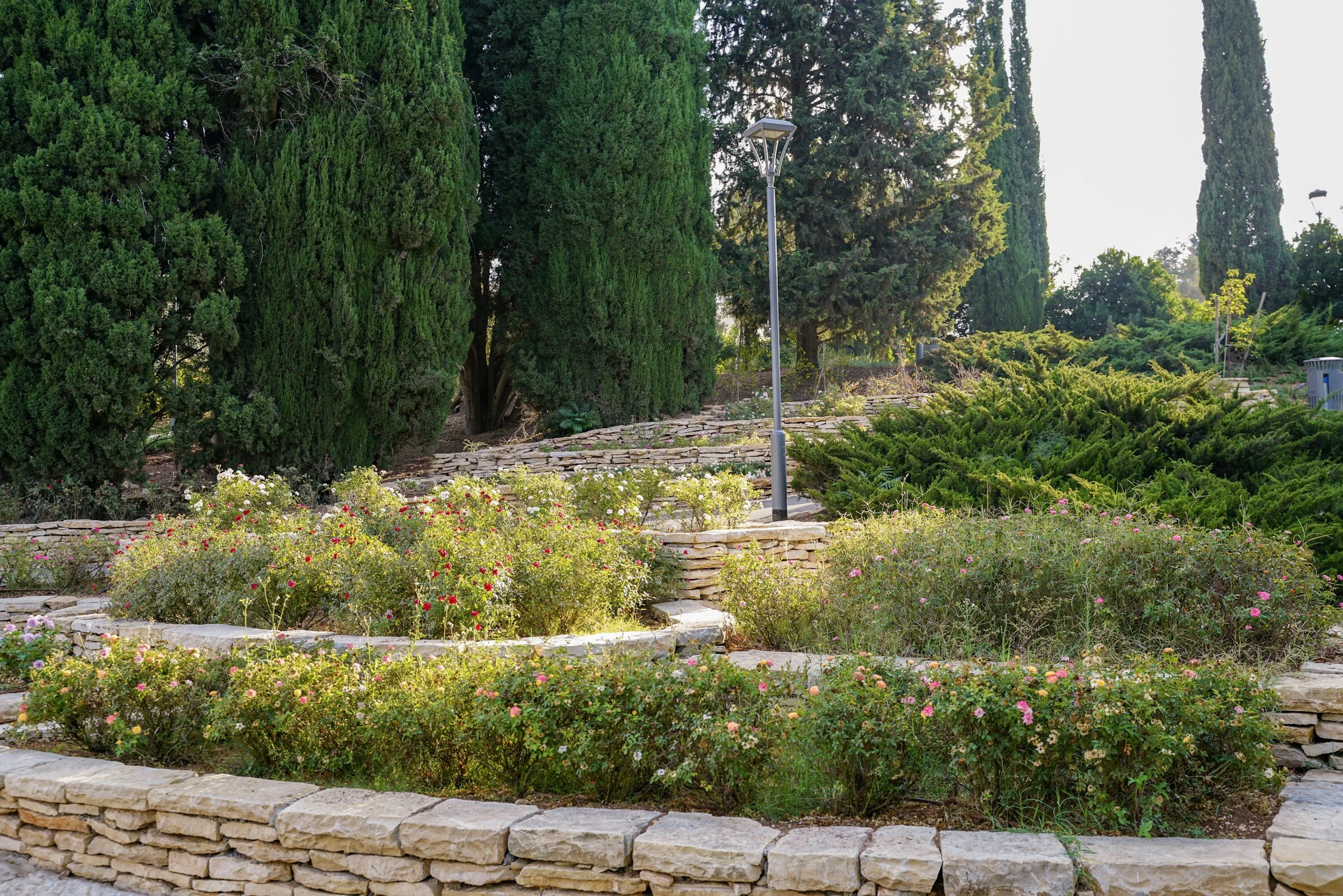
June is one of the most exciting months in the New England gardening calendar. The days are long, the temperatures are warming up, and your landscape is bursting with life. But with all that growth comes responsibility! Whether you're a seasoned gardener or a first-time homeowner, June is a critical month for setting your lawn and landscape up for success through the rest of the summer. Here's what you should be focusing on this month.
Lawn Care in June
Mowing By June, your lawn is in full swing and growing fast. It's important to mow regularly — ideally once a week — but avoid cutting more than one-third of the grass blade at a time. Cutting too short, known as scalping, stresses your lawn and leaves it vulnerable to drought and weeds. For most New England lawns, a mowing height of 3 to 3.5 inches is ideal during the summer months. Taller grass shades the soil, retains moisture, and crowds out weeds naturally.
Watering June in New England can be unpredictable — some years we see plenty of rain, and other years it turns dry early. A healthy lawn needs about one inch of water per week, either from rainfall or irrigation. Water deeply and infrequently rather than giving your lawn a light daily sprinkle. Deep watering encourages roots to grow down into the soil, making your lawn more drought-resistant as summer heats up. The best time to water is early morning, which minimizes evaporation and reduces the risk of fungal disease.
Fertilizing If you didn't fertilize in late spring, early June is your last good window before the summer heat sets in. Use a slow-release nitrogen fertilizer to give your lawn a steady, even feed throughout the season. Avoid over-fertilizing in June, as too much nitrogen during hot weather can burn your grass and promote excessive growth that stresses the lawn.
Weed Control June is prime time for weeds like crabgrass, clover, and dandelions to take hold. If you applied a pre-emergent herbicide in the spring, you're already ahead of the game. For any weeds that have broken through, treat them with a post-emergent herbicide or pull them by hand before they go to seed. Staying on top of weeds in June will save you a lot of headaches in July and August.
Planting & Garden Beds
Annuals and Perennials June is a wonderful time to fill in your garden beds with color. Annual flowers like impatiens, petunias, marigolds, and zinnias thrive in New England summers and provide non-stop color right through the fall. If you planted perennials earlier in the spring, June is when many of them — like salvia, coneflower, and black-eyed Susan — will begin to bloom. Deadhead spent flowers regularly to encourage continued blooming throughout the season.
Mulching If you haven't already mulched your garden beds, June is the time to do it. A fresh layer of mulch — about two to three inches deep — does wonders for your landscape. It retains soil moisture, regulates soil temperature, suppresses weeds, and gives your beds a clean, polished look. Just be careful not to pile mulch directly against the base of plants or trees, as this can cause rot and pest issues.
Shrubs and Trees Early June is a good time to prune spring-flowering shrubs like lilacs and azaleas that have finished blooming. Waiting too long to prune these shrubs risks cutting off next year's flower buds, which form in the summer. For trees, remove any dead, damaged, or crossing branches to promote healthy growth and good structure.
Hardscape & Outdoor Living
June is the month when New Englanders truly start living outdoors again, making it a great time to assess your hardscape. Take a walk around your property and check your patios, walkways, and retaining walls for any winter damage. Frost heaving — a common issue in our region — can shift pavers and crack mortar over the winter months. Addressing these repairs early in the season prevents small problems from becoming bigger, more expensive ones down the road.
If you've been dreaming about adding a new patio, fire pit, or outdoor kitchen, now is the perfect time to get the ball rolling. Scheduling your project in June means you'll have your new outdoor living space ready to enjoy for the entire summer season.
Irrigation Check-Up
Before the dry summer months arrive, take the time to inspect your irrigation system. Check each zone for clogged or misaligned sprinkler heads, leaks, and uneven coverage. Make sure your controller is programmed for the summer schedule and that your rain sensor is working properly. A well-maintained irrigation system saves water, saves money, and keeps your lawn and landscape healthy all season long.
Drainage
June rain showers are common in New England, and poor drainage can wreak havoc on your lawn and landscape. If you notice standing water in your yard after a heavy rain, or if water is pooling near your foundation, it's worth addressing before the situation gets worse. Solutions like French drains, dry creek beds, and regrading can redirect water away from problem areas and protect your property for years to come.
Leave It to the Professionals
Keeping up with all of these lawn and landscaping tasks can feel overwhelming — especially when life gets busy in the summer. That's where Pinebrook Landscaping comes in. Our experienced team handles everything from routine lawn maintenance to full landscape design and installation, so you can enjoy a beautiful property without the stress.
We've been serving homeowners and businesses across Gloucester and the North Shore of Massachusetts for over 35 years, and we bring that same expertise and dedication to every project we take on. Whether you need a one-time clean-up or ongoing seasonal maintenance, we're here to help.
📞 Call us at (978) 283-4219 🌐 Visit us at pinebrooklandscaping.net 📍 Proudly serving Gloucester, MA and the North Shore
Contact us today for a free estimate and let's make this your best-looking summer yet!
Pinebrook Landscaping — Excellence, Reliability, and Customer Satisfaction Since 2003.